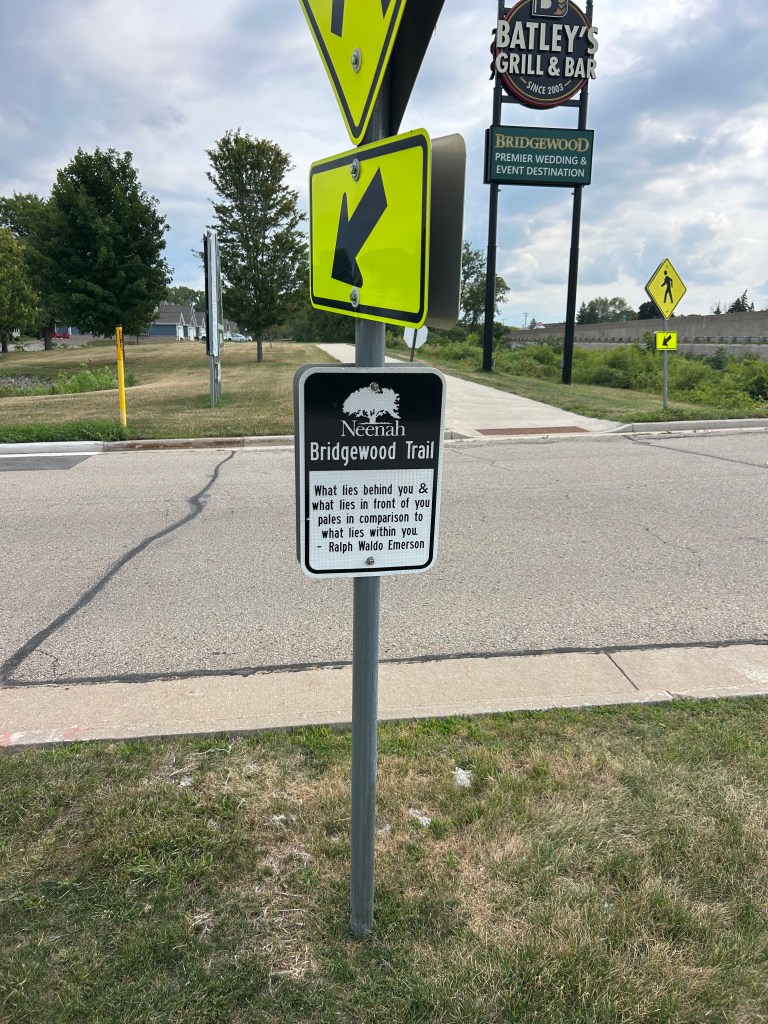
Bridgewood Trail
Run Time: 66:44 + 2:30 kick
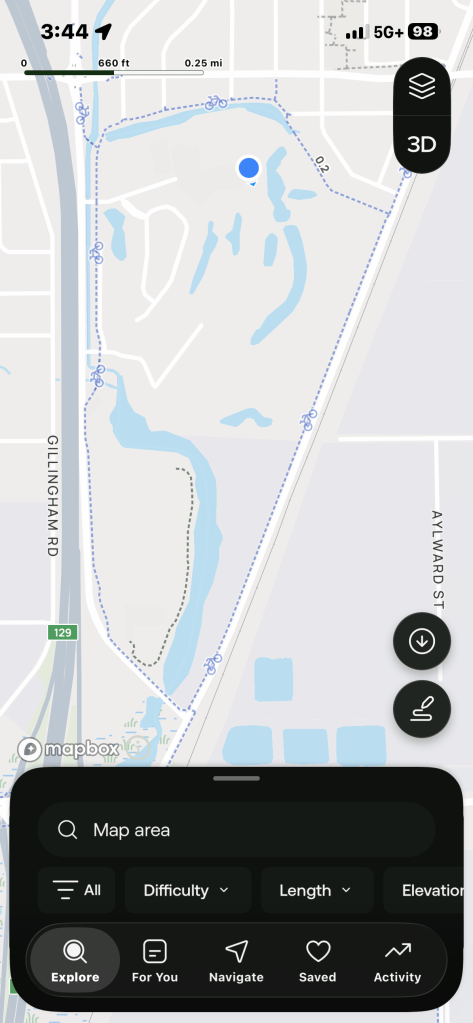
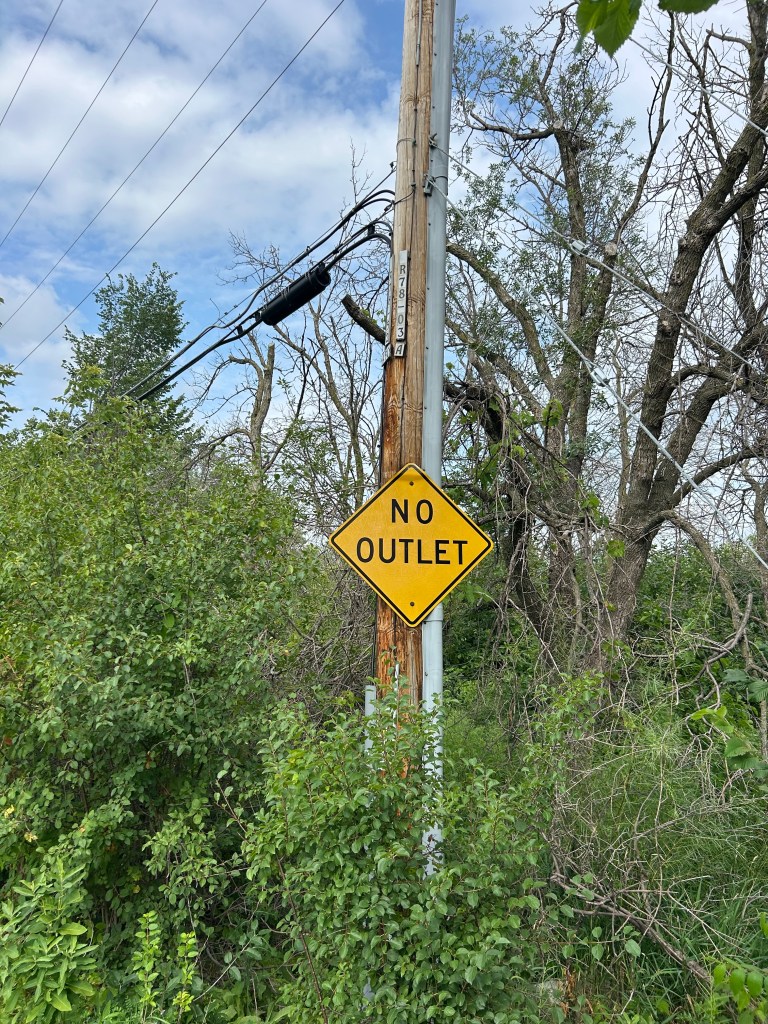
It was convenient that this sidewalk encircled the hotel property and the adjacent housing development and luxury apartments. I think there was a golf course tucked in there somewhere at one time, but the additional luxury apartments under construction might have replaced it.
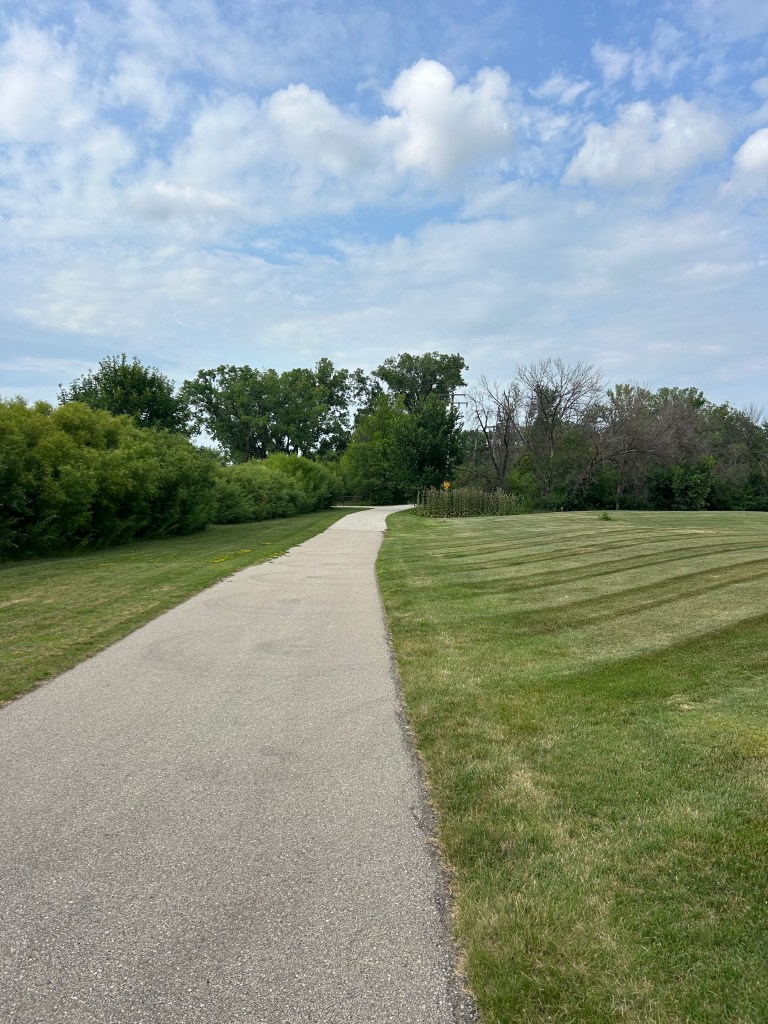
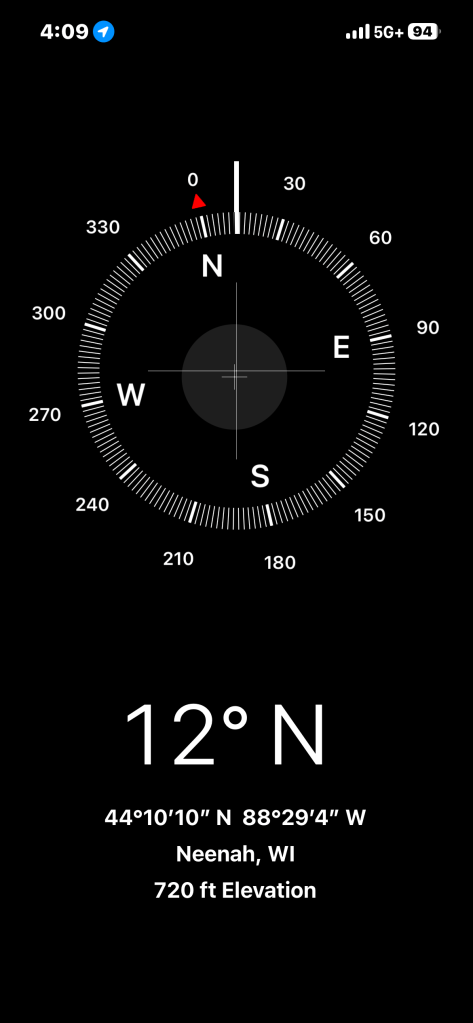
I appreciated that the scenery included the Neenah Foundry on the east side of the property, which looked abandoned, but I could hear machinery operating inside. There were strange piles of refuse, where old scraps and relics had apparently been tossed out for years. I’m not sure what the attraction is, but I find it comforting to run on the edges of industrial wasteland.
My wife and I spent the night in Stratford, Ontario, recently. We were on our way to Toronto and Kingston, and we lucked into a quaint hotel in Stratford that was a delight. Out one of the windows you could see a large abandoned structure. Turned out it was an old locomotive repair facility.

I read online that someone local had advocated to the City of Stratford to develop the property into some kind of public space, perhaps a farmers market facility, and that there had been public hearings and some reclamation done. If so, I applaud that effort, especially if it retains the integrity of the old building, which looked like a giant skeleton of some sort, with rusty steel beams criss-crossing every-which-way over the top and on the sides.
These old industrial buildings are the ruins of our continent. Why not bestow ruin status on them, the way that Europe, Asia, and Africa does on theirs? Better yet, why not convert them to public spaces, perhaps even centers of learning? Hell, put a brewpub in there. We don’t have to cater to crass commercialism, but this old industrial architecture is begging to be useful.
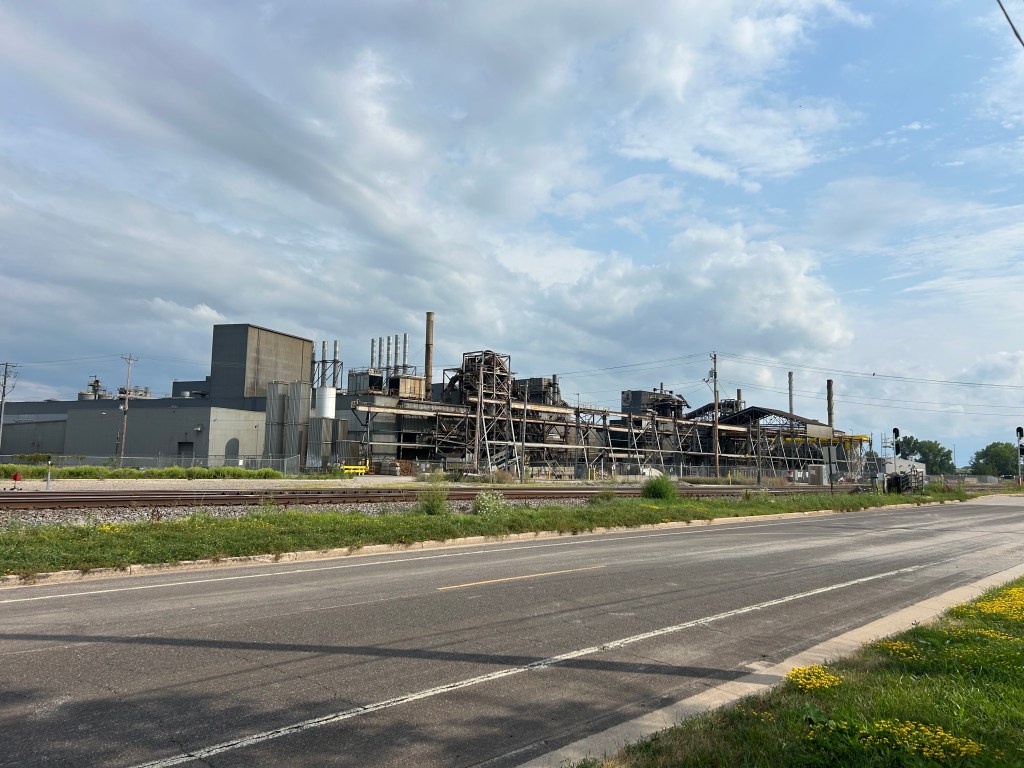
Some of these facilities actually did ruin the health of workers, the local ecosystem, and, ultimately, the financial well-being of the community when it ceased operation. What better way to remember that? I see these structures all over my sales region. They are never going to be resurrected for industrial use. Let’s make them urban parks, open-air performing arts centers, and workout facilities.
In the Oregon Coast Range, there are the remains of a railroad line that ran from the Tualatin Valley to the Oregon Coast. We used the hear the trains running through when we were hunting elk in the hills above. There was one logging road that crossed the tracks midway through.
One year there was a lot of flooding, and it took out some of the tracks, and the railroad company never attempted to rebuild. When my kids were old enough, we made a couple of trips down the logging road to the tracks and hiked several miles on both directions, through old railroad tunnels, across giant trestles, through washouts where the timbers had washed away, and rails lay twisted by the forces of nature. It was now a glorious trail. It felt almost sacred, like you were walking through a post-apocalyptic landscape no human had visited in years.
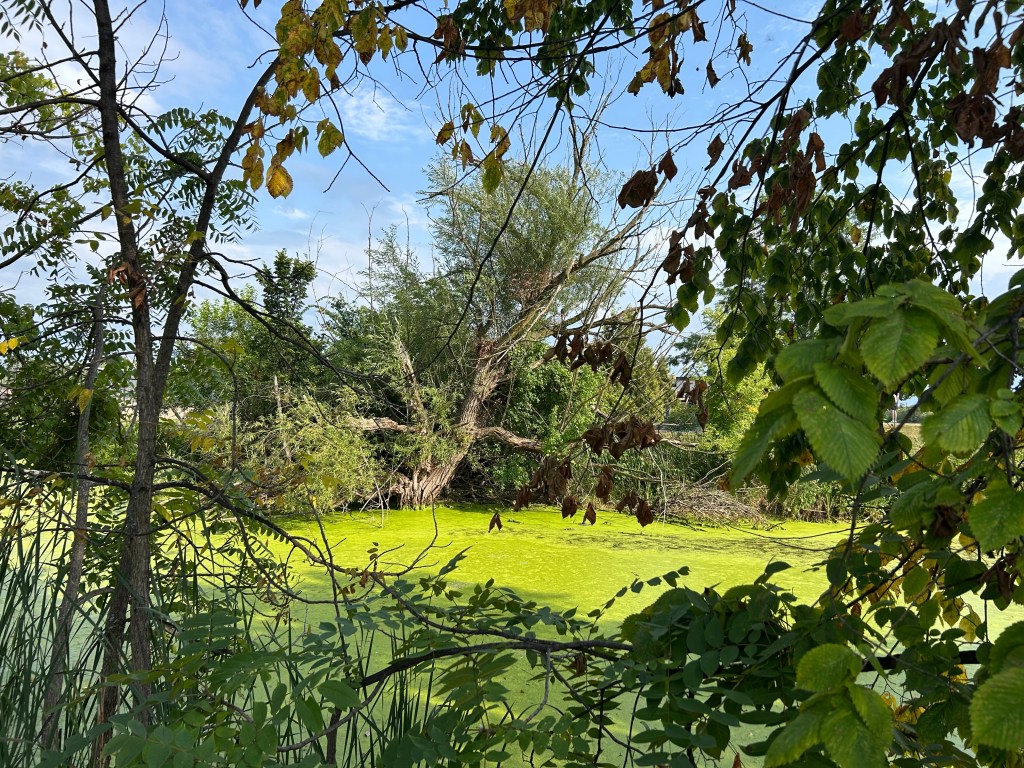
Maybe the best part of humanity is what we leave behind when we’re gone, when we’ve failed, when we’ve abandoned something monumental that we built, when we’ve given up and nature has reclaimed, or rather, claimed what we tried to impose on her. Maybe someday our descendants will live among these ruins and celebrate the death of industry and capitalism.

 Don't Make It a Habit. Make It a Ritual.