Whitewater Gorge Trail
Run Time: 63:00ish
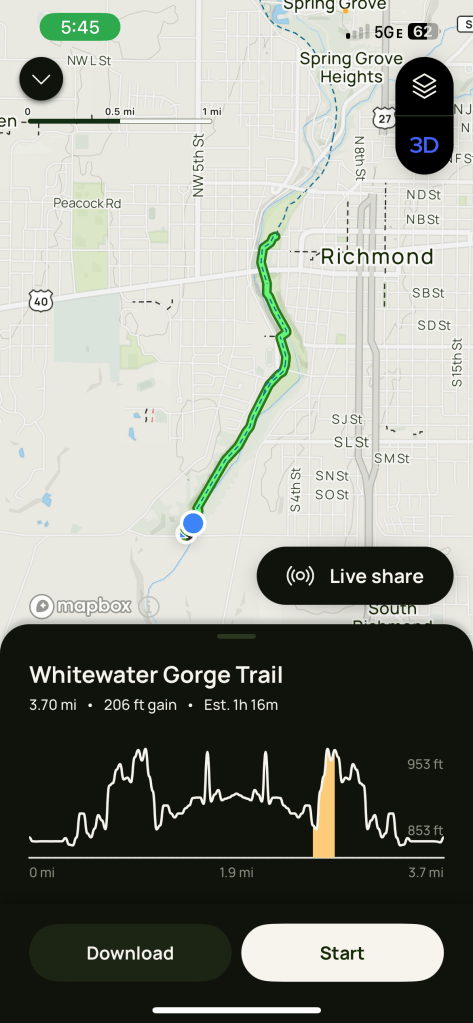
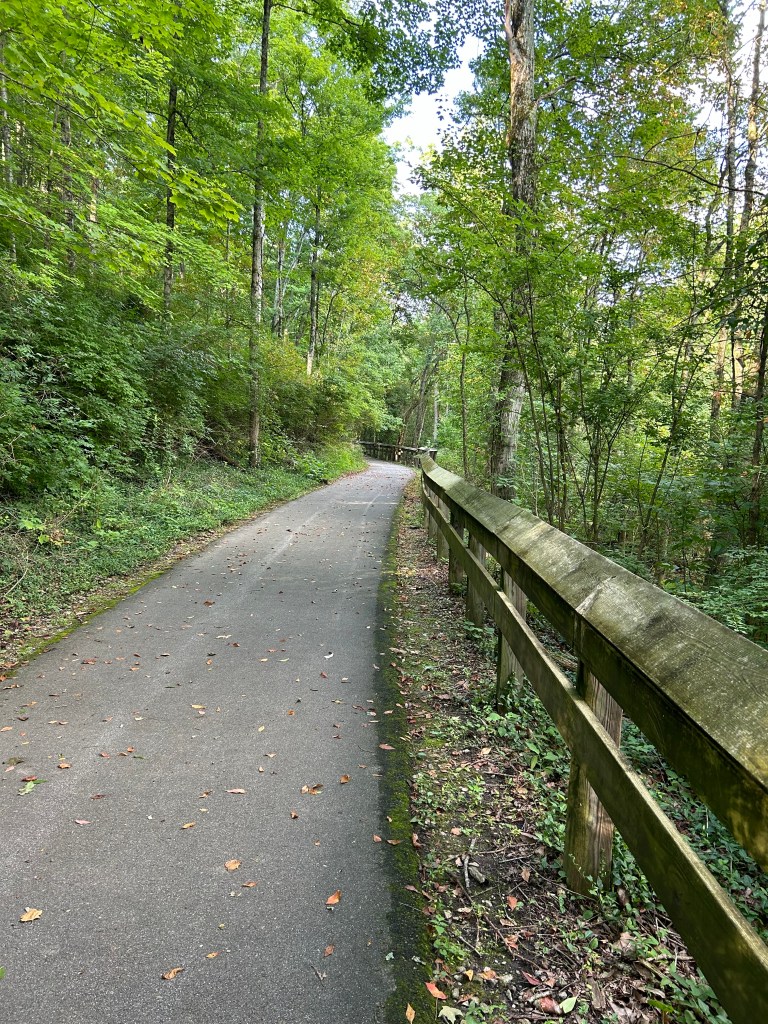
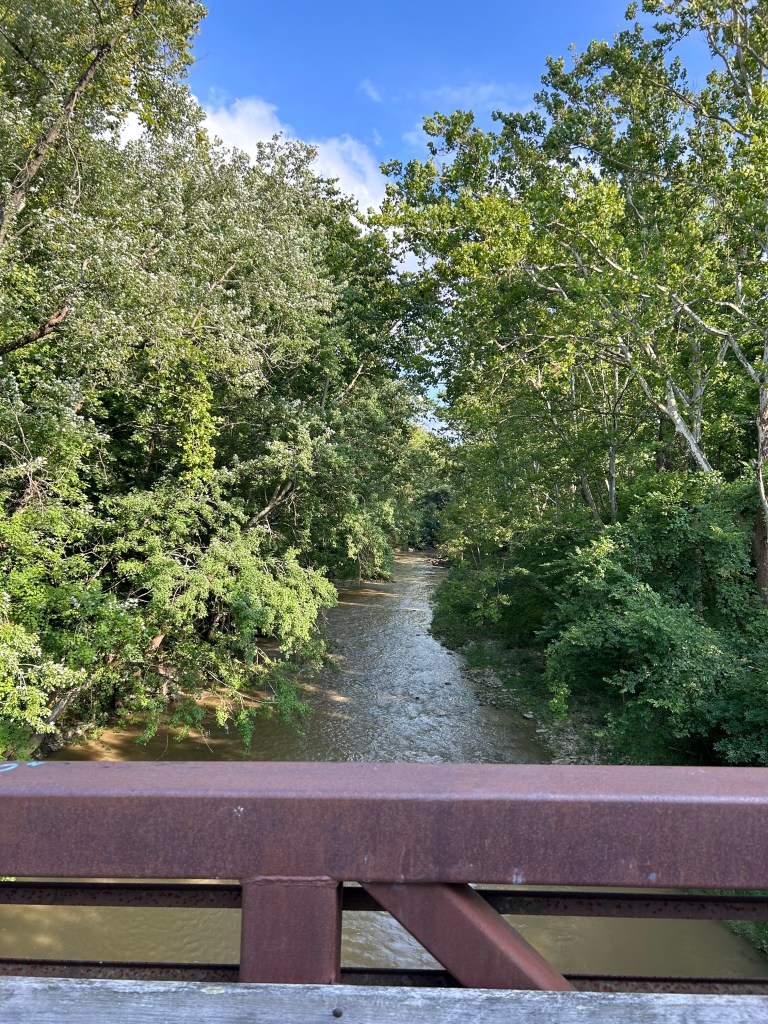
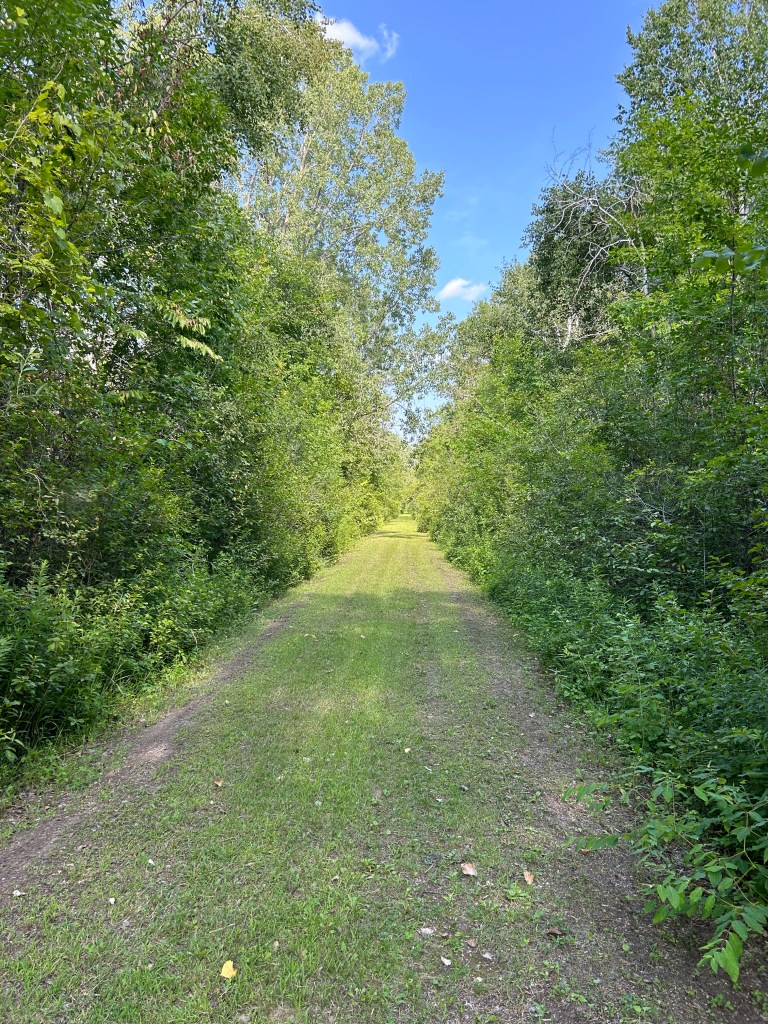
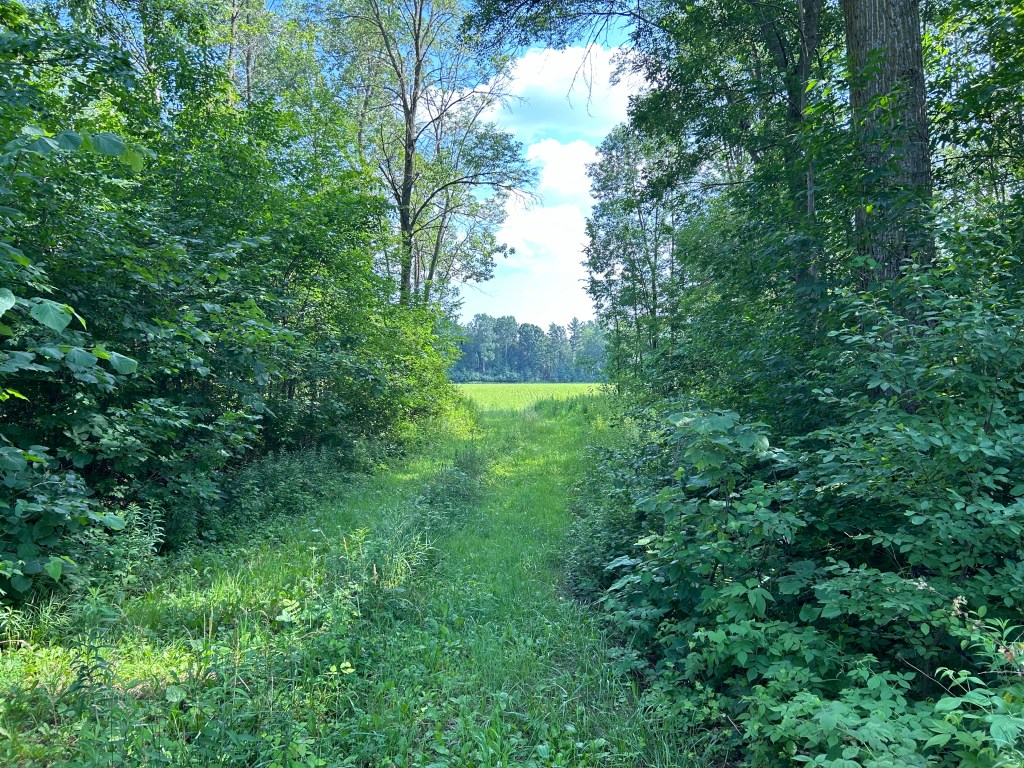
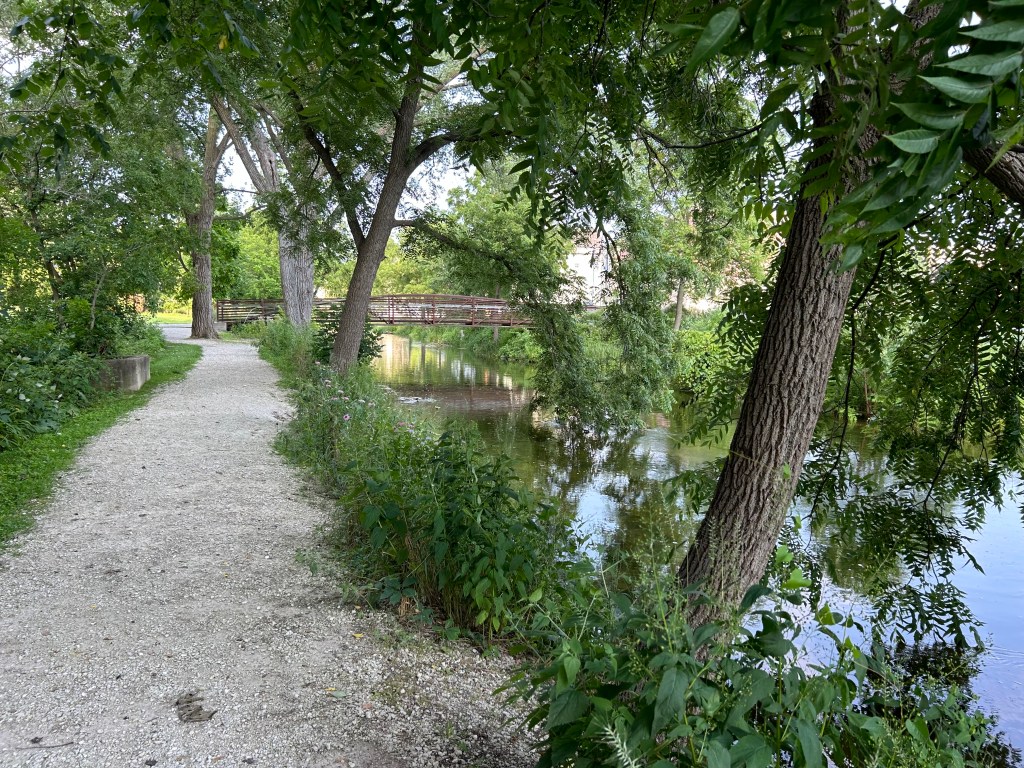
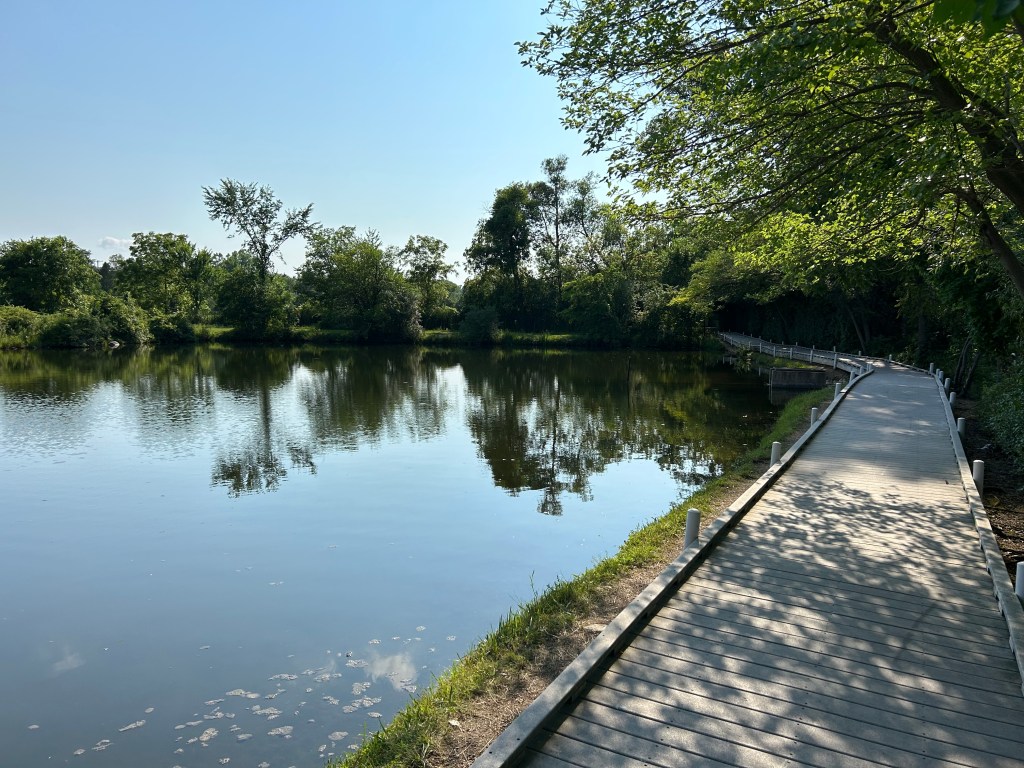
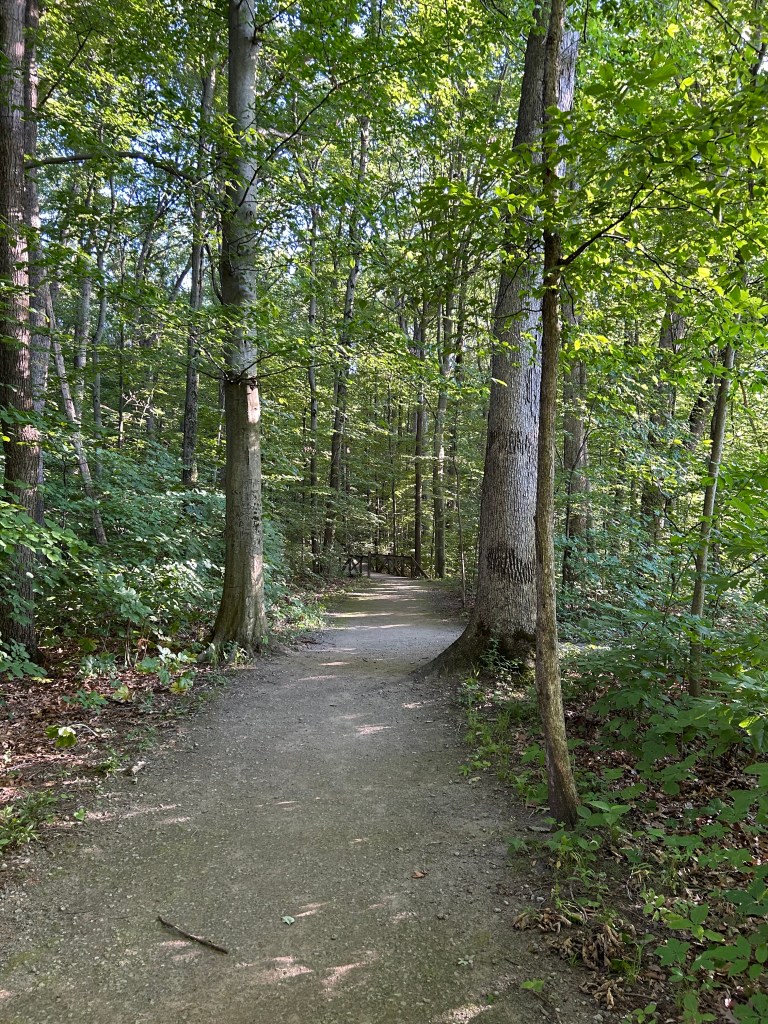
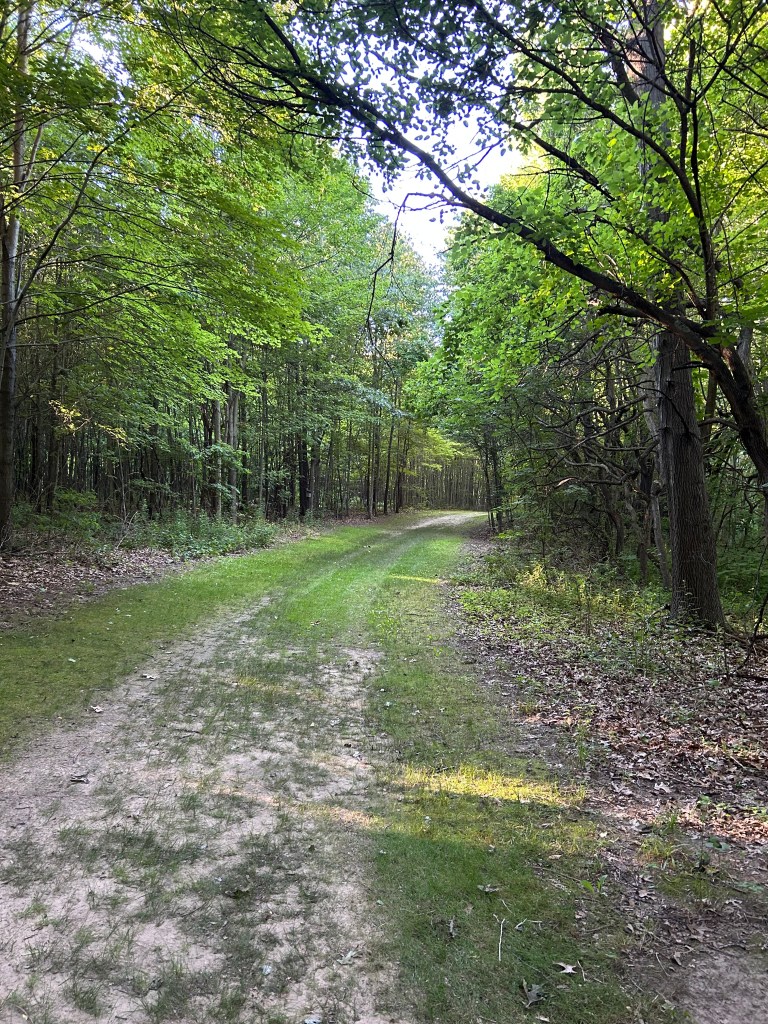
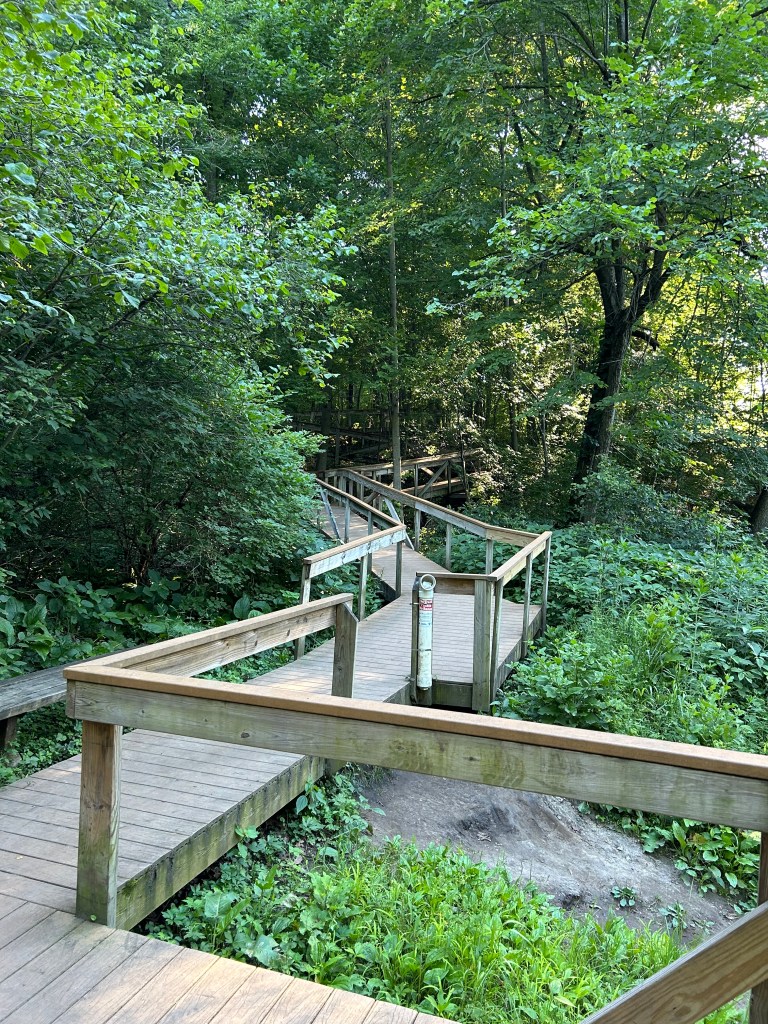
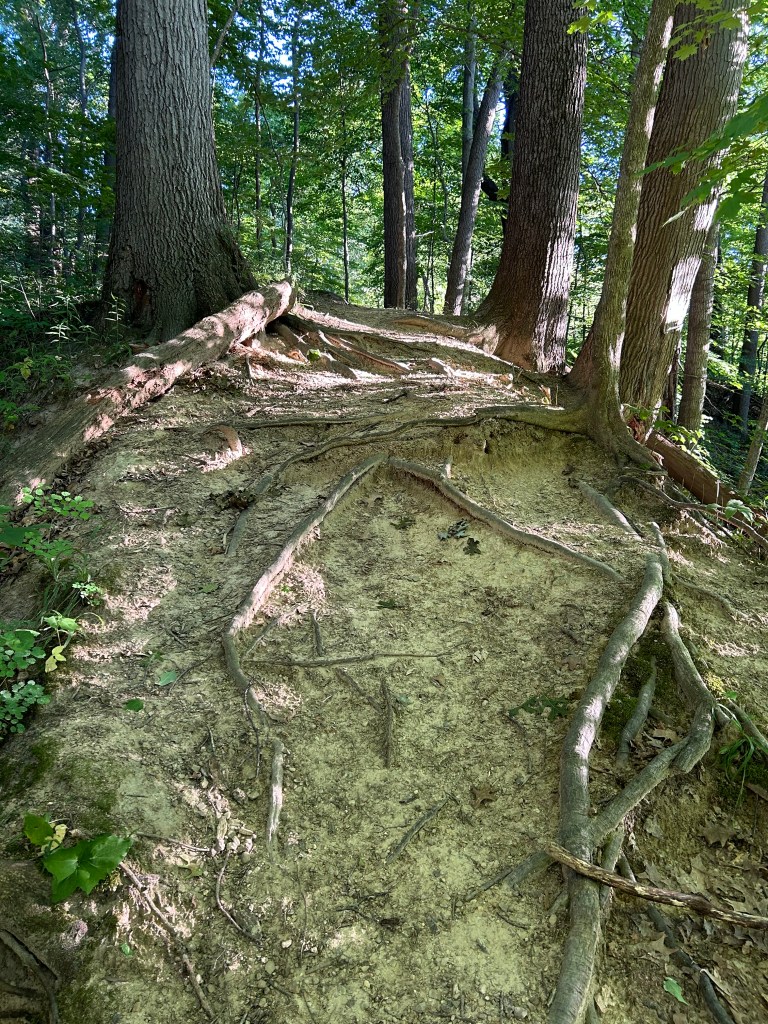
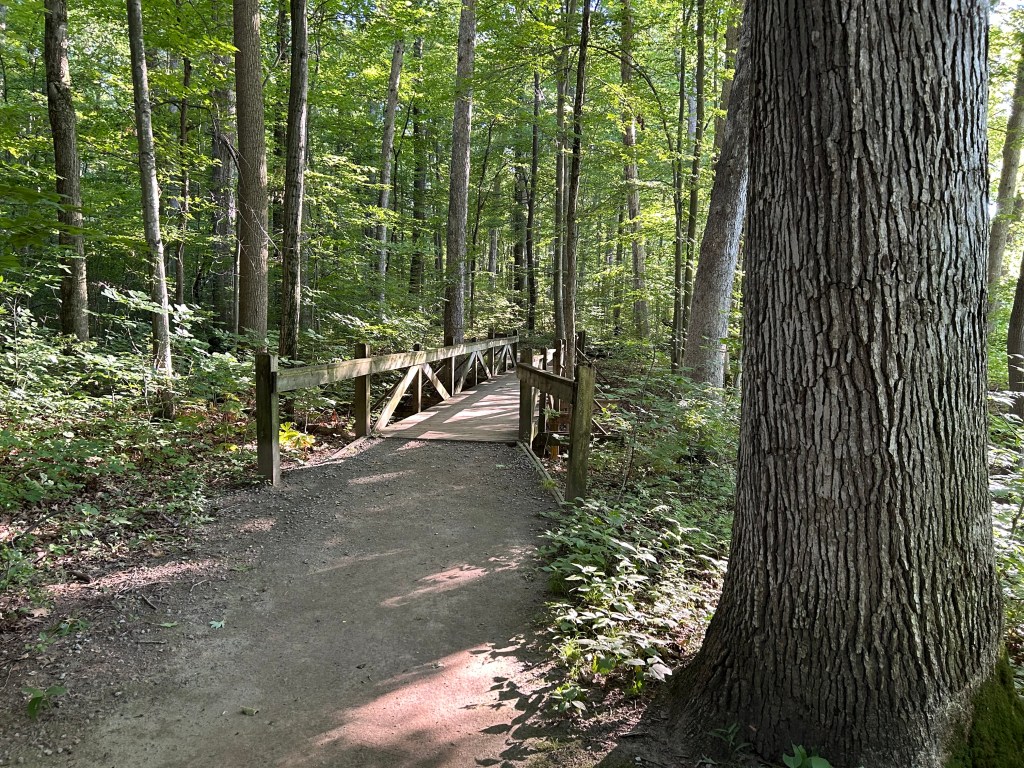
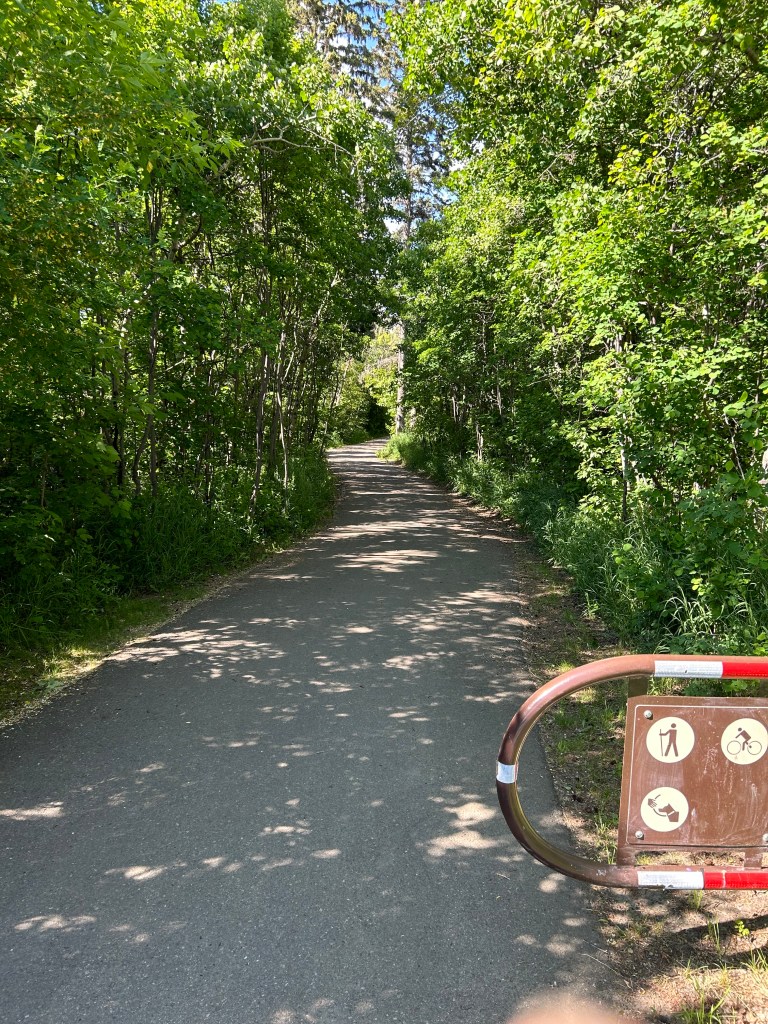
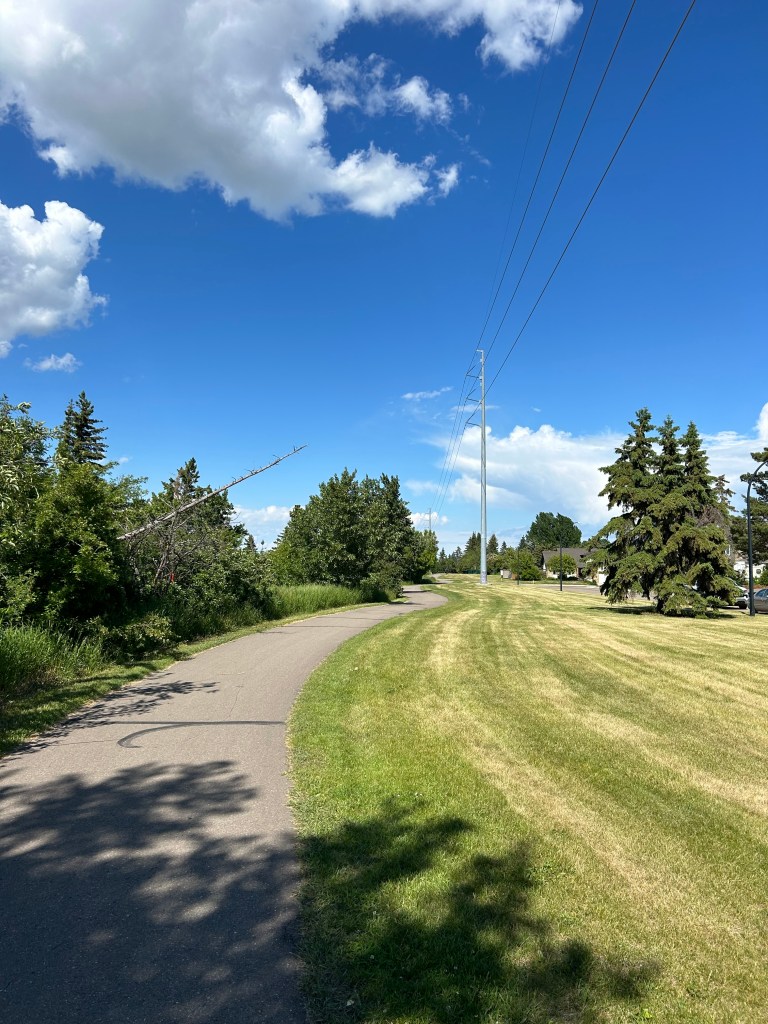
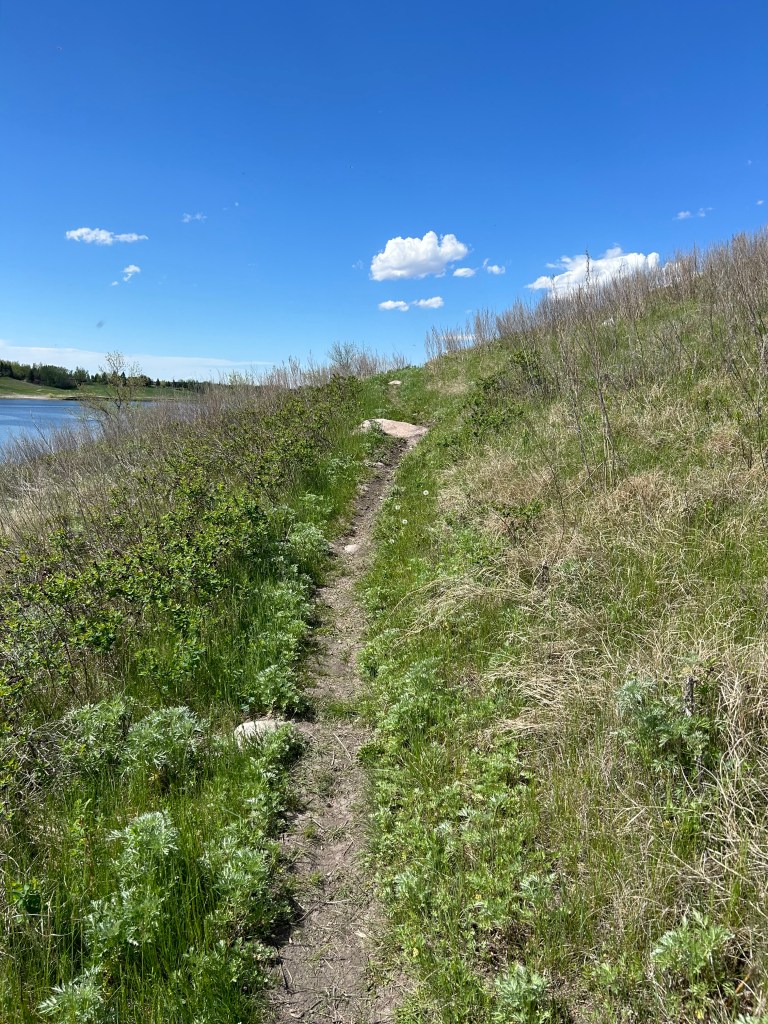
I was not expecting much out of Richmond, IN, but I was pleasantly surprised by this scenic trail that follows the Whitewater River through the city. Heavily wooded and therefore heavily shaded, with some elevation variation, it was a refreshing way to cap a day of driving in hot and humid Indiana.

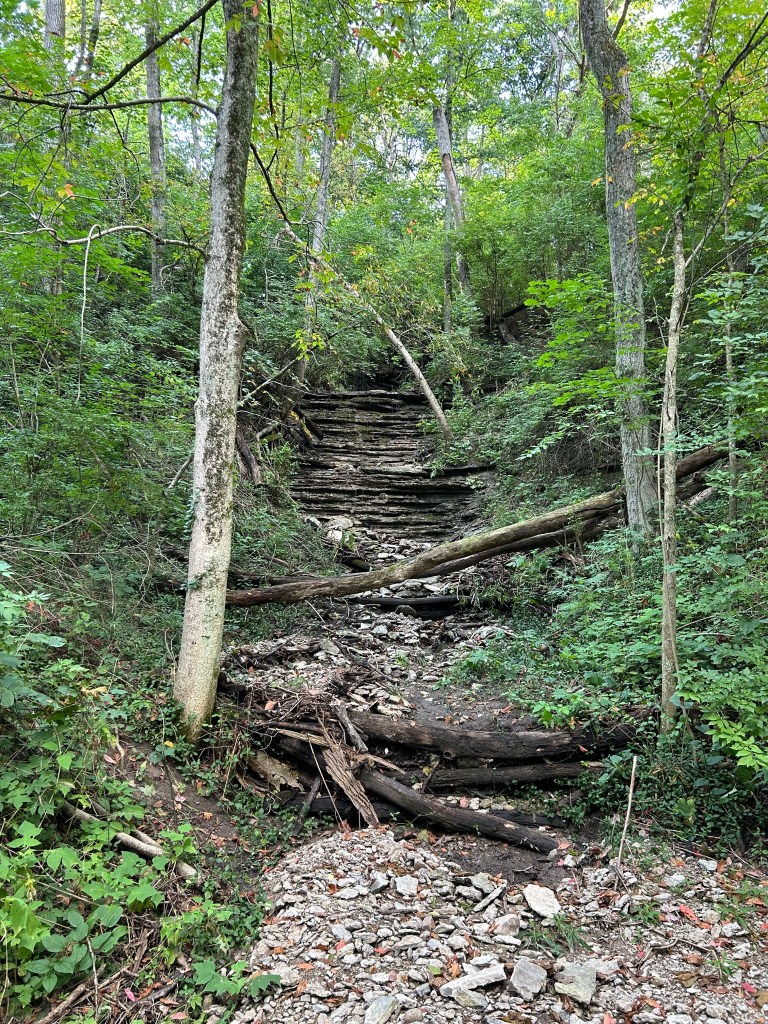
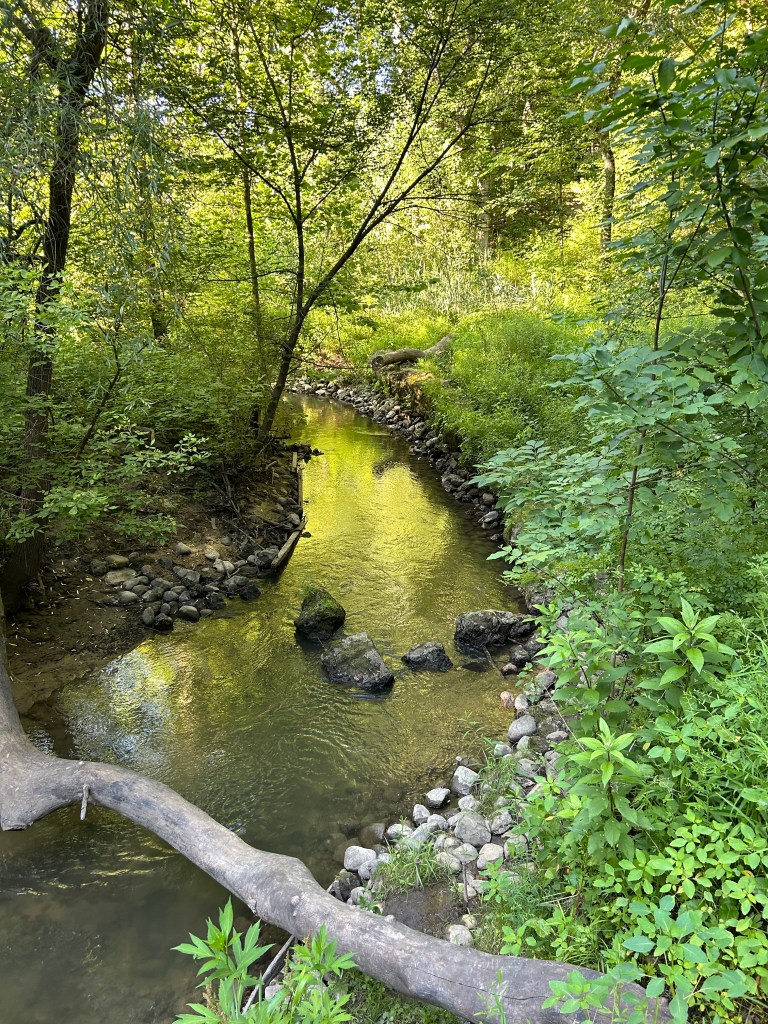
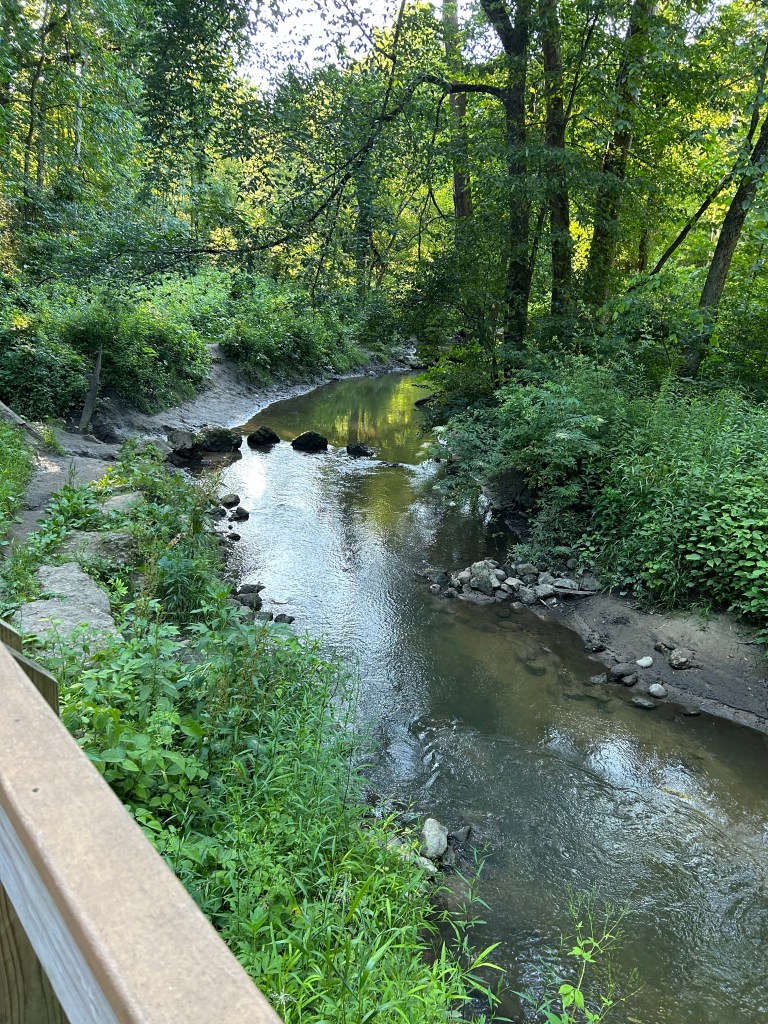
What I saw of the river was much browner than white, though there are likely rapids somewhere up or downstream. The river was high — there had been some serious thunderstorms in the Mideast in the days previous. There was evidence of tree falls on the trail that had been cleaned up, and heavy drainage down the side gullies.
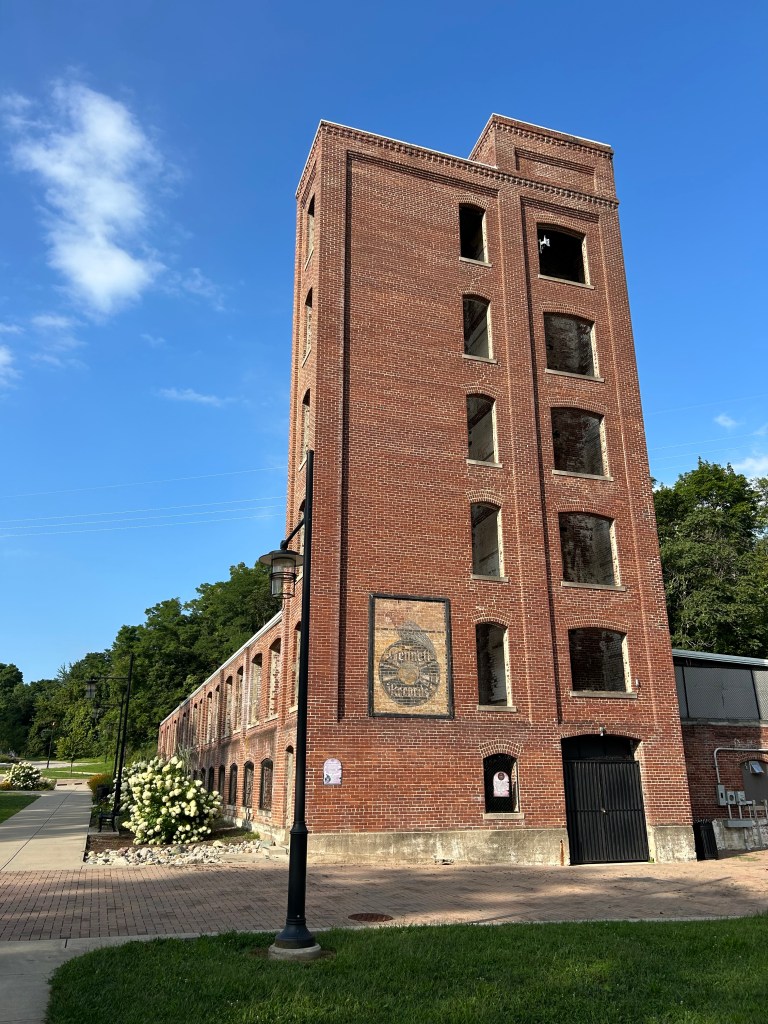
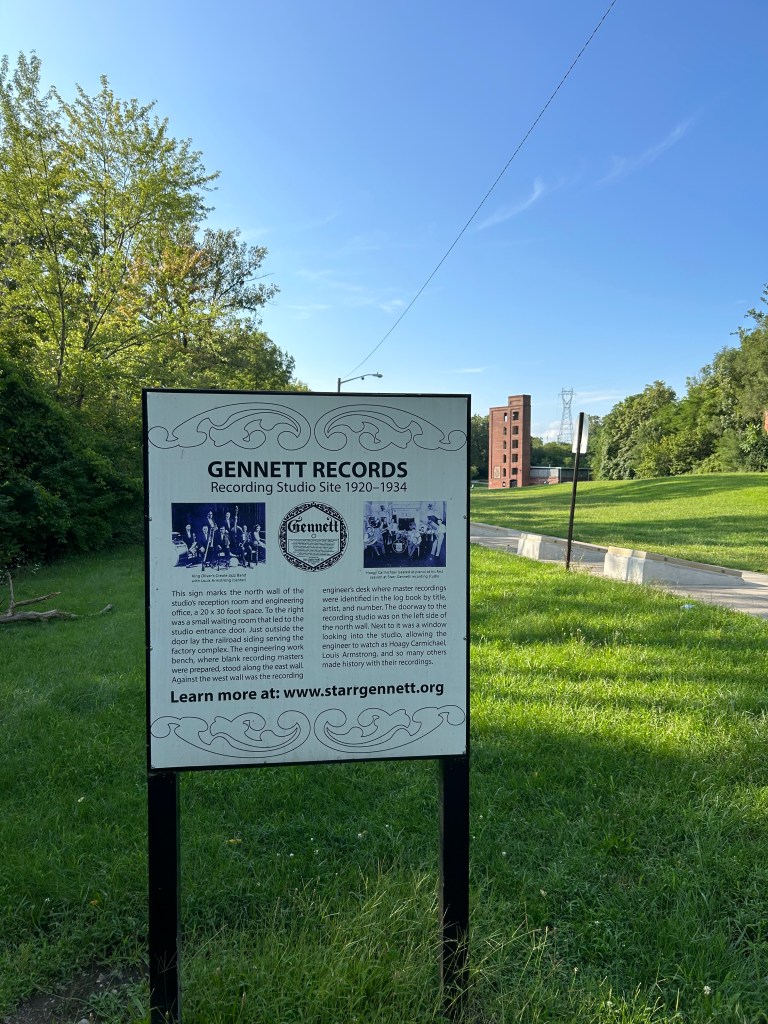
What was unexpected was what I found at the transition from trail to sidewalk — the site of Gennett Records, a studio that operated from 1920-1934 in the Starr Piano building. A line of memorial sculptures ran along the path, featuring Duke Ellington, Hoagy Carmichael, Jellyroll Morton, Big Bill Broonzy, Fats Waller, Lawrence Welk, Gene Autry, Charley Patton, Coleman Hawkins, Blind Lemon Jefferson, and many more.
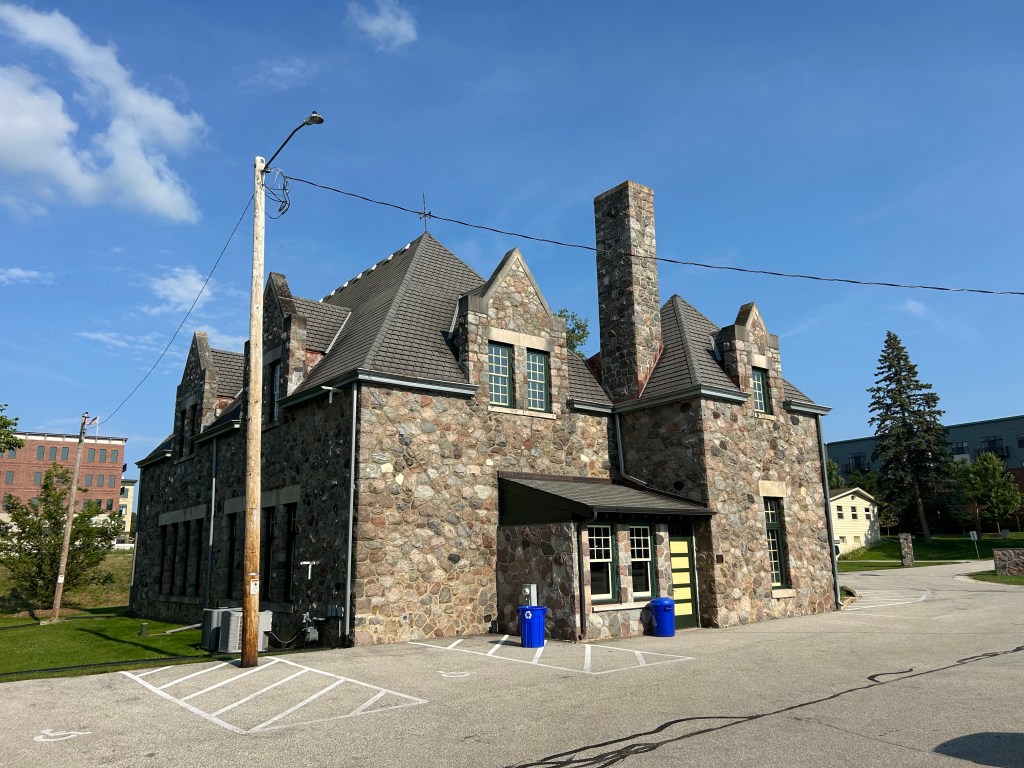
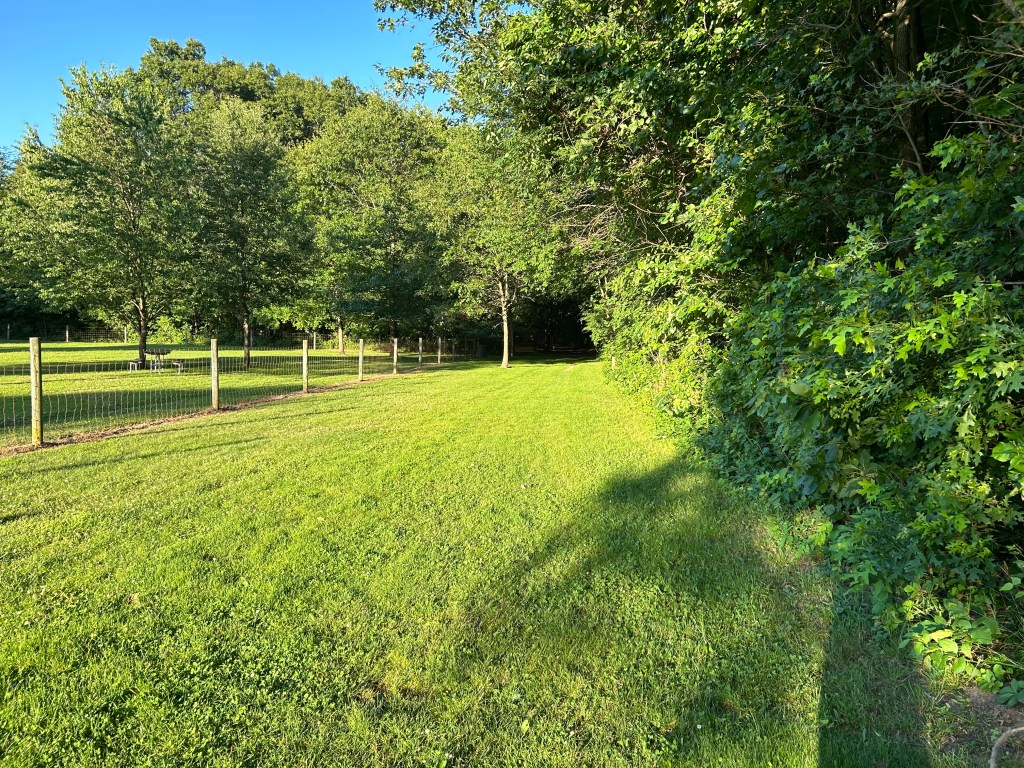
The building was empty, but a sign indicated that it now housed the local Winter Farmers’ Market. There was nothing but trees and meadows around it, which makes you wonder, what was it like in 1920? Were there business all along the river, like you would see in so many American cities in the 1800s and early 1900s? Was this old brick structure the only one left? Or had it always been set in an idyllic meadow, away from commerce and residences?

Plus, they were making pianos down here. We have a piano in our Oregon house, covered by a blanket in the garage. It was too much of a pain to move. They were making pianos by the Whitewater River in the 1890s, moving them around in horse-drawn wagons, likely. Maybe the railroad was nearby.
This is the hidden culture that warms your heart. You can drive all around American cities, through squalor and waste, and you stumble, out-of-breath and sweaty, upon a gem like this, and it warms your heart. People were making music a hundred years ago in this magnificent brick building on the banks of a river in Eastern Indiana. Culture is possible in this country.
I would not hesitate to guess that Richmond’s cultural peak was in the 1920s, and it might never get there again. But at least they preserved something to remember it, and they added the memorials to enrich the memory. I am so glad that they did. Thank god for the music industry, even the digital one we have today.
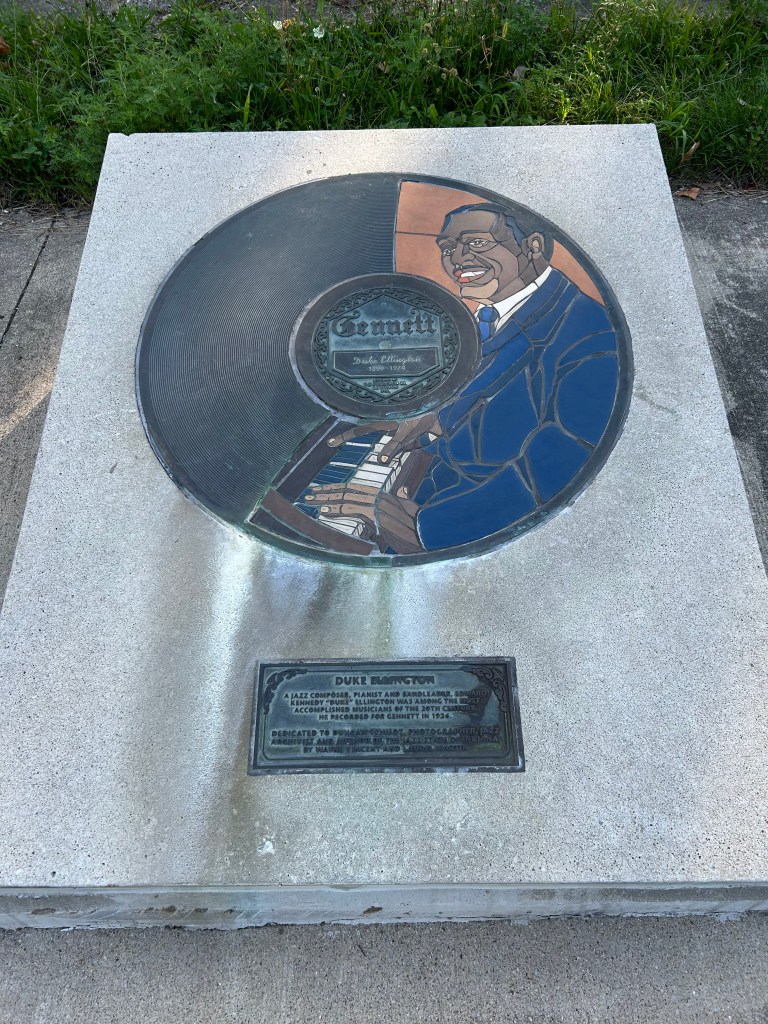
Also, the defacement and defilement was minimal, and the grounds were well-kept, which also heartens one’s spirit, that those who visit or hike through or volunteer to care for the site give a serious shit about it. I think the site has a purity — you can almost hear piano keys in the breeze.
Also, the site has not been gentrified. It has not become a brewpub, or a hair salon, or a Hanna Andersson. Okay, so the farmers come in on the weekends to sell their corn and fruits and wares, but even then only in the winter. Development is absent, which almost makes this hallowed ground. How is this possible? It’s only blocks away from brewpubs, salons, and shops.
I ran past the site, then turned around and came back through, and when I did, there was a group of four teenagers, one with a bike. Guess what they were doing? Reading the memorials. I was reading about Charley Patton when I was 17, in Rolling Stone and in library books. That was 43 years ago. If I had come across this place at age 17, would I have solemnly paid tribute? Or left some broken beer bottles. One thing is for sure — I would have found a way to get into that building.
I walked farther than normal at the start of the run, and I did a poor job judging where my turnaround point was, so when I got back to car, I still had time to run. However, I had passed the same family three times on the trail already, and did not feel like disturbing them again, so I just stopped short of my full time. It was fine. This run was not just for my physical health.
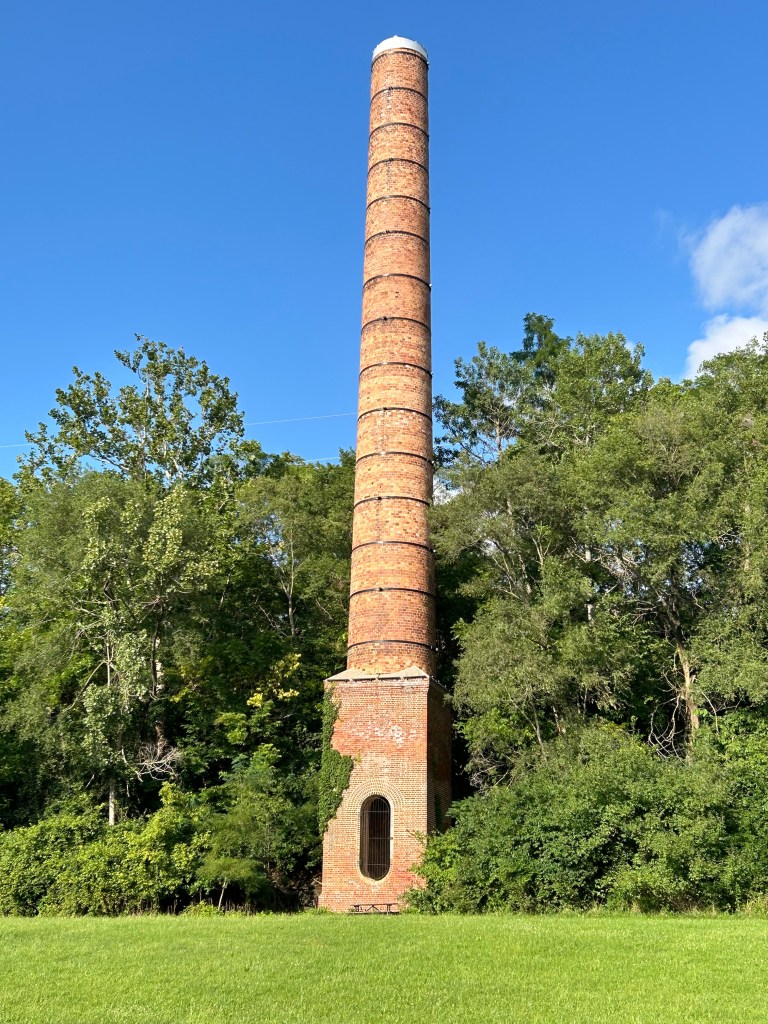
Serendipity — that’s what you might call it. Probably not the first time serendipity made an appearance at the site of Gennett Records.





















 Don't Make It a Habit. Make It a Ritual.